We want to see Country how it used to be. We want to continue to look after country and want it to look after us.
We want our people to be back on Country, caring for and using Country like we always have. We want to share parts of our culture with the wider community so they learn about and respect Country like we do.
We want everybody to work together to keep Country clean and healthy.Aunties Lorna Kelly, Dulcie Nicholls and Linda Vidler, 2003
Our Corporation
The Bundjalung of Byron Bay Aboriginal Corporation (Arakwal) RNTBC was established in 1996. Its members are our people.
Strengthening our Aboriginal identity and culture, and ensuring our efforts accord with our cultural values, customs and practices are a major focus of the organisation.
The corporation works in partnership with government, community groups, and business enterprises to protect and help manage the land and waters of our traditional Country, and to benefit our community through improved housing, health and wellbeing, and training and work opportunities.

We focus on:
- Living and Working back on Country – including indigenous resource and co-management agreements; dealing with Native Title matters; reviewing land-use plans, strategies and development proposals; involvement in Land and Coastcare activities; working and caring for Arakwal National Park and the Cape Byron Marine Park; developing affordable housing for our community.
- Maintaining Cultural Connection to Country – including revitalisation of cultural practices, developing and running cultural programs for our people and the wider community, as well as reconciliation activities and events.
- Business and economic development – including education, training and employment strategies, developing and supporting businesses and work for our people, housing and better services for our elders and community.
We want everyone to respect, appreciate and value Arakwal Country. We invite you to stand with us to protect and support our values, understanding how we belong to Country, respecting and helping us care for Country.
The Bundjalung of Byron Bay Aboriginal Corporation (Arakwal) RNTBC was established in 1996 and primarily works for the betterment of the Bundjalung of Byron Bay Aboriginal (Arakwal) People, land and waters. The Corporation is incorporated under the Corporations (Aboriginal and Torres Strait Islander) Act 2006.
The Corporation has 5 year strategic plan which includes strategies and actions for these areas. It reviews and renews this plan near the end of each 5 year period. Strategic planning is one of the main roles for our board of directors. They have recently completed a review of our present strategic plan (2012), and are setting priorities and actions for the next 5 year plan period.
Strategic planning is very important as provides the opportunity to look closely at issues and challenges affecting the corporation and our people, and to plan well for the future.
The Board then provides clear direction for our staff who report back to the board on the achievement of these directions, and strategies, and if they are working.
Key Issues
According to the Australian Bureau of Statistics census (2011) the Aboriginal population in Australia is 548,368. The total population of Australia is 21,507,717. This equates to Aboriginal people making up 2.5% of total Australian population.
Generally just being Aboriginal exposes you to a vast range of statistics and averages that are equal to and in many cases worse than those living in third world conditions. Have a look at some key statistics below on important social indicators and you can see how we lag behind non-indigenous people in Australia in these and other areas.
Education
- 25% of indigenous people had completed year 12, compared with 52% of non-Indigenous people.
- 26% of Indigenous people reported having a post-school qualification, compared with 49% of non-Indigenous people.
- 4.6% of Indigenous people had attained a bachelor degree or higher, compared with 20% of non-Indigenous people.
Employment
- 42% of Indigenous people aged 15 years or older were employed and 17% were unemployed. In comparison, 61% of non-Indigenous people were employed and 5% were unemployed
- The most common occupation classification of employed Indigenous people was ‘labourer’ (18%) followed by ‘community and personal service workers’ (17%).
- The most common occupation classification of employed non-Indigenous people was ‘professional’ (22%).
Income
- The average gross household income for Indigenous persons was around approximately 59% of that for non-Indigenous persons.
Source: Australian Bureau of Statistics (2012) Census of population and housing: characteristics of Aboriginal and Torres Strait Islander Australians, 2011. Canberra: Australian Bureau of Statistics.
The Arakwal people are not separate from these statistics and averages. Many of our people have passed on at too young an age, and many still live in harsh conditions. Prior to the Native Title Legislation, the Arakwal people were not recognised within any level of Government or community. Essential Services and employment opportunities were nonexistent.
Many larger communities have developed Aboriginal organisations to address needs and to develop their communities. Many smaller communities had no voice and could only expect to rely on outreach services to try to address issues and deliver vital services.
Substantial improvement to the health and wellbeing of our people requires integrated strategies involving all levels of government, business interests and the wider community working with us to effectively address the complex factors underlying the disadvantages we suffer.
This needs to be part of a long-term vision and approach that includes adequate resources and effort being made available over a long period of time, and through changing economic and political cycles.
To learn more about the current conditions the majority of Aboriginal people in Australia live under please have a look at the link below.
Overview of Aboriginal and Torres Strait Islander health status 2025.
The negotiation of the 1st Indigenous Land Use agreements (IULA) in 2001 between the Arakwal people and the NSW Government provided the Arakwal with the first real chance to develop new opportunities for our people.
The ILUA’s and the establishment of the Bundjalung of Byron Bay Aboriginal Corporation (Arakwal) has meant that the Arakwal people are now in a better position to care for the well being of Arakwal people and land.To learn more go to the Key Activities under Arakwal Corporation.
Primary Issues We Address
Alongside the welfare and social issues that we contend with every day, some of the main issues we seek to address are:
- Employment and education opportunities
- Cultural rejuvenation and practices
- Caring for Country beyond the Arakwal National Park
- Cultural resources agreement with Cape Byron Marine Park
- Children and youth support programs
- Adequate housing so mob can return to Country
- Business and economic development
- Social development and positive lifestyle choices
We believe that by working positively on these areas together with the wider community it provides us with the foundation to make real change and a positive impact for the Arakwal people and land now and in the future.
Charter & Objectives
The primary objective of the Corporation is to relieve poverty, sickness, destitution, distress, suffering, misfortune or helplessness of needy members of the Bundjalung People of Byron Bay of the land and waters in and around Byron Bay and surrounding areas of New South Wales through:
(a) improving housing, living conditions and general standards of living by the provision of land, housing and other buildings and other services for our people’s use and benefit;
(b) improving vocational skills, employment prospects and employment opportunities of our community members; and
(c) arresting social disintegration by strengthening and fostering development of our Aboriginal identity and culture, ensuring that all programs and actions are in accordance with our cultural values, customs and practices.
Our corporation objectives are to be achieved by, but not limited to, the following:
- seeking land and/or compensation for the Bundjalung People of Byron Bay of the land and waters in and around Byron Bay under Native Title Act (1993) or by any other means to further Corporation aims
- seeking partnerships or Development Enterprise to improve the above objectives, through implementing the Bundjalung of Byron bay Aboriginal Corporation Corporate Plan.
Our Board & Members
We have a Board of Management, which currently has seven members, and employ 2 full time staff and a number of part time support people.
Our Board meets approximately monthly with an annual general meeting, as well as other meetings as required on specific topics such as native title matters.
Board members also represent our Corporation at various meetings and on committees with other agencies such as the Cape Byron Reserve Trust, Cape Byron Marine Park, the NSW Office of Environment and Heritage, and Byron Shire Council.
Executive & Staff
Board Members
- Chairperson: Cassandra Kelly
- Deputy Chair: Mariah Roberts
- Director: Steven Kelly
- Director: Simon King
- Director: Tina King
- Director: Brian Kelly
- Director: Kymberly Kay
Arakwal Staff
- Interim General Manager: Mia Maddison
- Junior Administration Officer: Shanti Kelly-Torrens
- Native Title Officer: Mia Maddison
Members
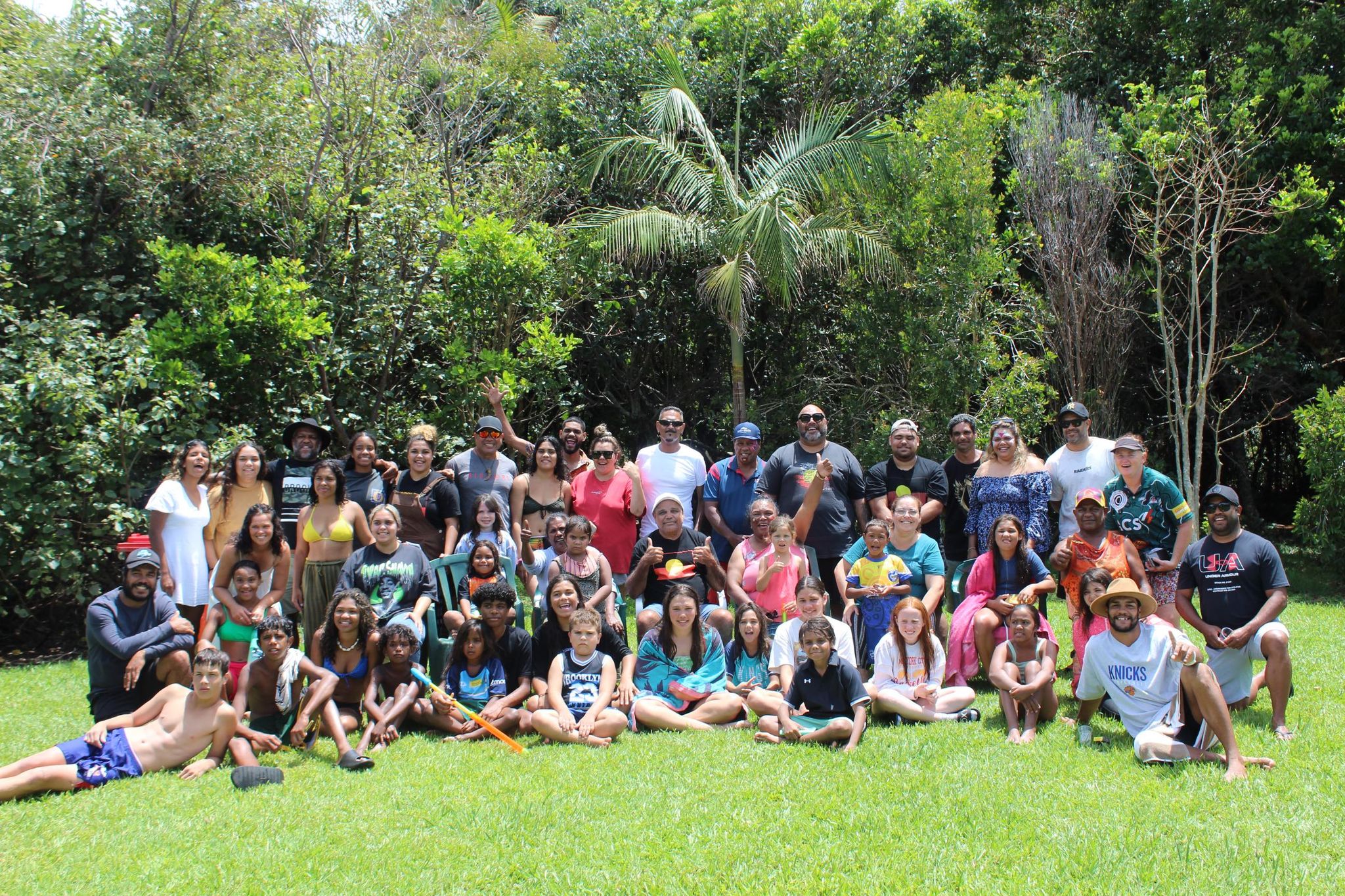
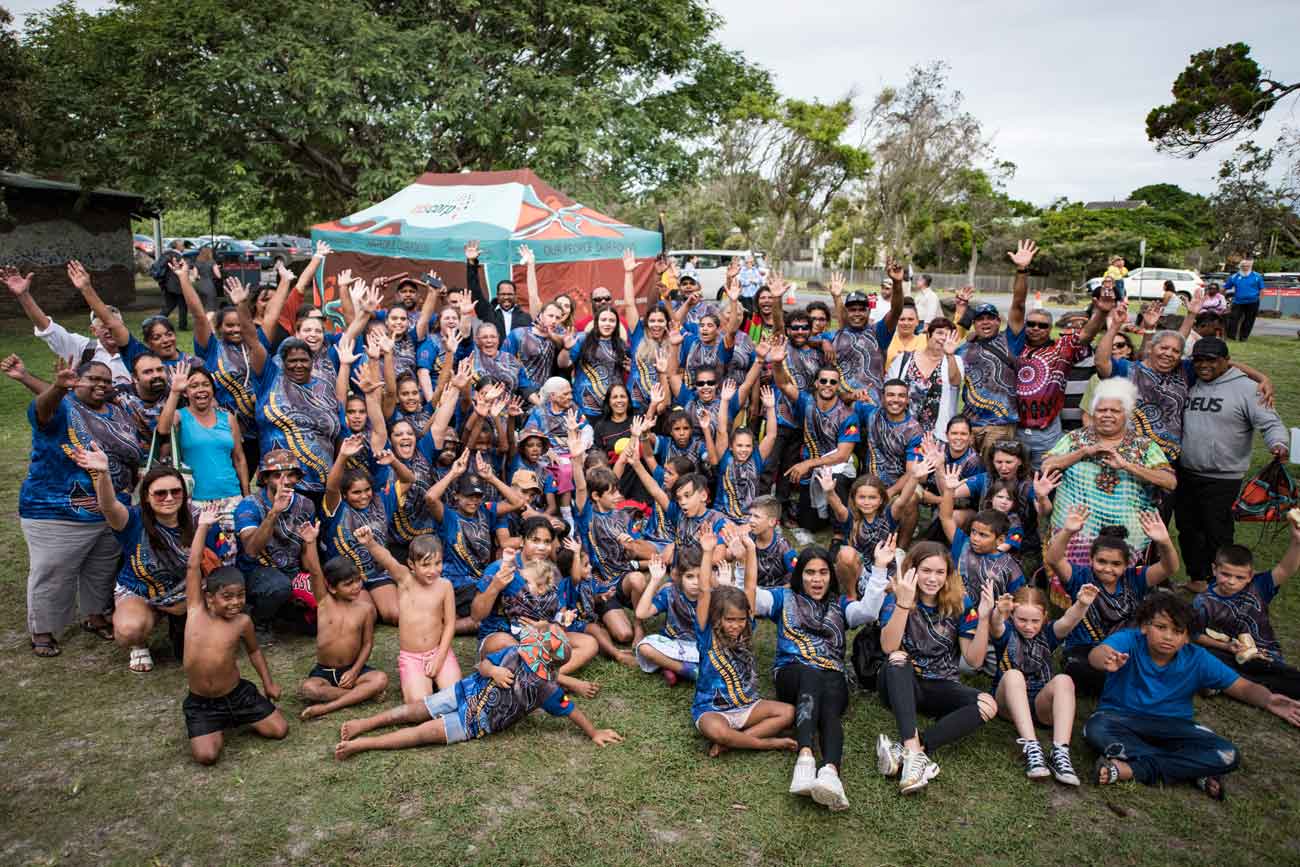
Our members are Aboriginal people of the Bundjalung People of Byron Bay:
- descended* from Aboriginal people who lived and/or held native title rights in the Agreement Area at the time of first contact by European settlers in 1820s-30s
- are known to the acknowledged elders of the Bundjalung People as members of the Bundjalung People of Byron Bay; and
- are resident within the traditional country of the Bundjalung People of Byron Bay; or have maintained their primary identification with the Bundjalung People of Byron Bay through regular visits with Bundjalung People of Byron Bay community in traditional country of the Bundjalung People of Byron Bay and are acknowledged by the elders of the Bundjalung People as recognising and observing the laws and customs of the Bundjalung People of Byron Bay.
(* descended as set out in Schedule 3 of our Corporation Rules)
Membership Forms
You can apply for membership using the forms listed below.
Once completed, please email or post the forms to us at the following addresses:
- info@arakwal.com.au
- PO Box 1555, Byron Bay NSW 2481
Please read membership requirements above.